How the California Sun Damages Your Car’s Paint (And How to Protect It)
Southern California’s sunshine is one of the best parts of living here, but constant UV exposure, heat, and environmental buildup can gradually take a toll on your vehicle’s finish. The good news is that you don’t have to avoid the sun to keep your car looking its best. Regular car washes, smart parking habits, and the right protective products can help preserve your paint and reduce long-term wear.
Whether you commute daily, park outside at work, or spend weekends at the beach, understanding how the California climate affects your vehicle is the first step toward protecting it. If your vehicle could use a wash, visit your nearest Speedwash today and make regular car washes part of your paint protection routine.
Key Takeaways
- UV rays gradually weaken your vehicle’s clear coat.
- Heat and everyday buildup can accelerate fading and oxidation.
- Regular washing helps remove dirt, debris, and other buildup before it becomes more difficult to clean.
- Southern California’s climate makes routine exterior maintenance especially important.
Why California Is Especially Hard on Your Car’s Paint
Cars in Southern California are exposed to more intense sunlight throughout the year. Unlike regions with long winters or frequent cloud cover, vehicles here often spend hours in direct sunlight while also encountering coastal salt air, freeway dust, pollen, bird droppings, and tree sap. Together, these conditions can gradually wear down a vehicle’s paint if issues are left for long periods of time.
Common environmental factors include:
- Year-round UV exposure
- Coastal salt air
- Inland heat
- Freeway dust and road grime
- Bird droppings and tree sap
- Hard water spots
How the California Sun Damages Your Car’s Paint
Sun damage doesn’t happen overnight. It builds gradually as UV rays, heat, and everyday buildup work together to wear down your vehicle’s finish. Understanding how it happens can help you better protect your vehicle.
UV Rays Break Down Your Vehicle’s Clear Coat
The clear coat is the transparent protective layer that sits over your vehicle’s colored paint. Over time, ultraviolet rays can gradually weaken this coat. As it deteriorates, the paint underneath becomes more vulnerable to oxidation, fading, and a dull appearance.
Heat, Oxidation, and Contaminants Work Together
Sunlight isn’t the only factor. Bird droppings, bug residue, pollen, tree sap, road grime, and hard water deposits can become more difficult to remove after baking on a hot surface. Regular car washing helps remove these materials before they can contribute to staining or surface damage.
Signs Your Car’s Paint Is Being Damaged by the Sun
Watch for these common warning signs:
- Fading or uneven color
- Loss of gloss
- Chalky or dull appearance
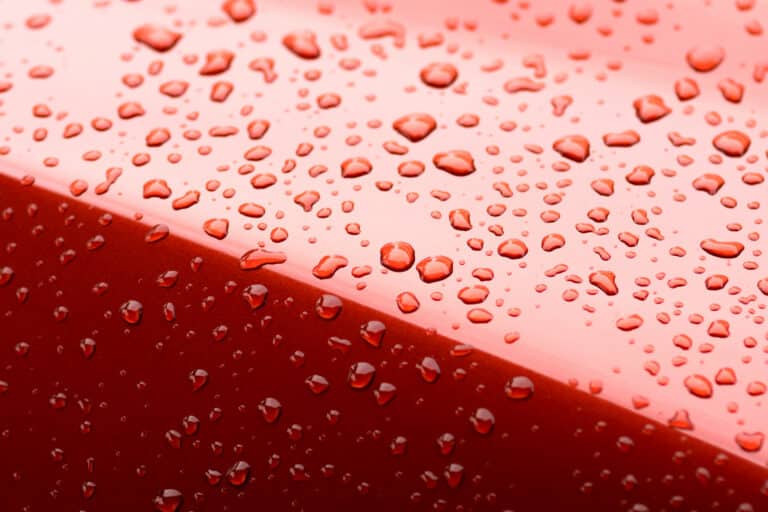
- Reduced water beading
- Early clear coat wear
Addressing these signs early can help preserve your vehicle’s appearance and make routine maintenance more effective.
How to Protect Your Car’s Paint from the California Sun
You can’t avoid the sun, but you can reduce its impact on your vehicle. A few simple maintenance habits can go a long way toward keeping your paint looking its best, including:
Wash Your Vehicle Regularly
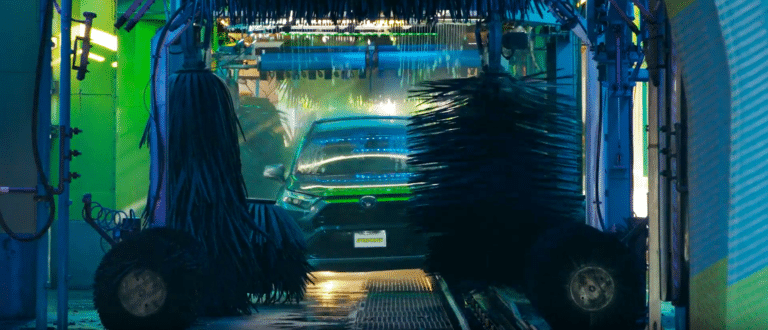
Routine washing is one of the simplest ways to help protect your vehicle’s finish. Removing dirt, pollen, bird droppings, bug residue, and road grime before they sit in the sun can help reduce long-term buildup. Drivers looking for a consistent maintenance routine may benefit from Unlimited Car Wash Memberships, while occasional visitors may prefer Prepaid Car Washes.
Benefits of routine car washing:
- Removes debris
- Supports a cleaner finish
- Helps reduce staining
Park Smart Whenever Possible
When practical, choose covered parking, garages, or shaded areas. If you regularly park outside at work or at the beach, even small changes such as parking away from trees that drip sap or using a breathable car cover during extended parking can help.
Consider Additional Paint Protection
Graphene-based protection, ceramic coatings, and paint protection film each serve different purposes. Graphene wash treatments can enhance water beading and make routine cleaning easier. Ceramic coatings provide longer-term surface protection, while paint protection film helps shield high-impact areas from chips and scratches. The right solution depends on your driving habits, budget, and maintenance preferences.
Get a Car Wash at Speedwash Today
The California sun is part of everyday life, but it doesn’t have to shorten the life of your vehicle’s finish. Regular washing, removing dirt, debris, and other buildup quickly, and choosing the right protection strategy can help keep your car looking its best throughout the year.
Ready to get started? Visit your nearest Speedwash location or view our Unlimited Car Wash Memberships to make protecting your vehicle part of your regular routine.
Frequently Asked Questions
Can the California sun permanently damage car paint?
Over time, prolonged UV exposure can contribute to fading, oxidation, and clear coat deterioration. Routine maintenance helps reduce the impact.
How often should I wash my car in Southern California?
Most vehicles driven in Southern California benefit from a wash every one to two weeks. Vehicles parked outdoors or exposed to coastal salt air, tree sap, or construction dust may benefit from more frequent washing.
Does washing help protect paint?
Yes. Washing removes dirt, debris, bird droppings, tree sap, and other buildup before they remain on the surface in direct sunlight, helping maintain your vehicle’s finish.
What’s the difference between Graphene, ceramic coatings, and PPF?
Graphene products support routine maintenance, ceramic coatings provide longer-lasting surface protection, and paint protection film offers physical protection against chips and scratches.